Can dentists and doctors post patient photos on social media?
Yes, but only with the patient’s explicit, written consent for that specific use, which they can withdraw. Without it, a dentist, doctor or any clinic should not post a photo that could identify a patient, and cropping out the face is often not enough.
Regulators say this in similar terms. The GMC says identifiable patient information needs explicit consent and has guidance on visual recordings of patients; the GDC says not to post information about patients on social media. In the US, a patient photo is protected health information, and HHS says marketing use generally needs written authorisation. Rules vary by country and profession; this is information, not legal advice.
What valid consent looks like
- Written and recorded, kept with the patient record so anyone posting can check it.
- Specific: which images, which channels, for how long, and whether their name appears.
- Informed: explain that public posts can be copied and shared, and cannot be fully recalled once seen.
- Freely given: never a condition of treatment, and never swapped for a discount.
- Withdrawable: tell them how, and take the post down promptly if they do.
- Separate from clinical consent. Agreeing to a photo for their records is not agreeing to it being posted.
What identifies a patient
| Detail | Why it matters |
|---|---|
| Face, even partly | Friends and family recognise a jawline or eyes. |
| Teeth, scars, tattoos, birthmarks, jewellery | Distinctive features identify people who know them. |
| Voice | Video and audio identify as surely as a face. |
| Background | Names on screens, appointment lists, wristbands, letters on a desk. |
| Combined details | A date, a procedure and a town can identify someone together, even if each does not alone. |
| Location tags and timing | Posting from the clinic during a visit tells followers who was there. |
| Replies | “Lovely to see you yesterday!” confirms someone is your patient. |
Children and adults who cannot consent
For a child, get written consent from a parent or guardian, and ask the child too if they are old enough to understand. For an adult who lacks capacity to decide, think hard about whether to post at all. First ask whether the post needs a patient: a consenting staff member or model often works as well.
Storing patient photos
- Keep them on clinic systems, not personal phones or chat apps.
- Store the consent with the image, so the two never get separated.
- Health images are special category data under UK GDPR; see the ICO’s guidance.
- Limit who can open them, and delete or archive when consent is withdrawn or expires.
Before and after photos
These are the photos clinics most want to post and the ones regulators look at hardest. The ASA treats them as claims: they must be genuine, unedited, and not presented as a typical result. See its cosmetic interventions guidance. In the UK you cannot share before and after photos of prescription-only treatments such as botulinum toxin. Dental practices also need the GDC line that treatment may not suit everyone and depends on an assessment.
Same lighting, same angle, no filters, no retouching, and a written consent that names before and after use specifically.
A consent form checklist
- Patient name, and the parent or guardian’s if a child
- Which images or videos (describe or attach them)
- Where they may appear: named platforms, website, print
- How long, and what happens when that ends
- Whether their name, first name or no name is shown
- Whether you may tag them or reply to them publicly
- How to withdraw consent, and who to contact
- Signature, date, and who took the consent
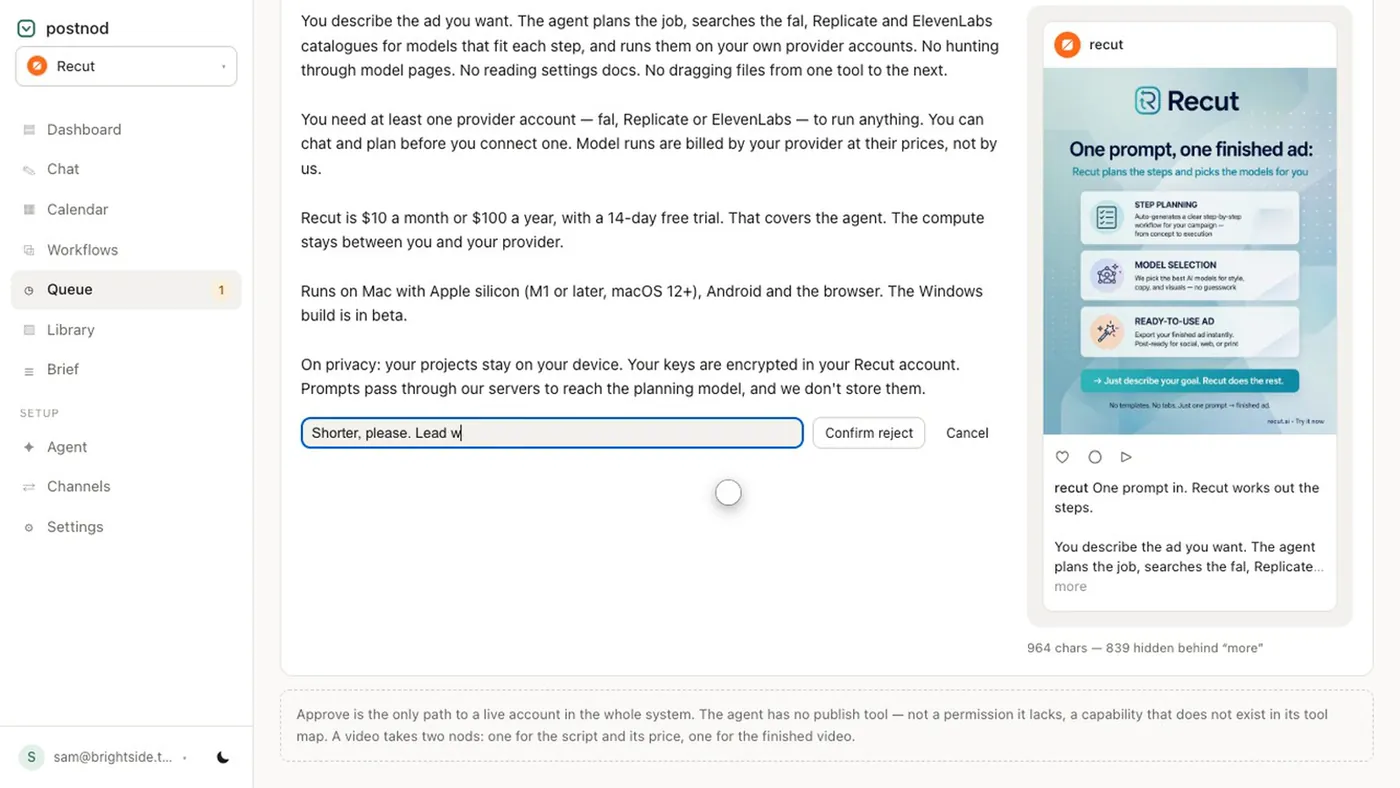
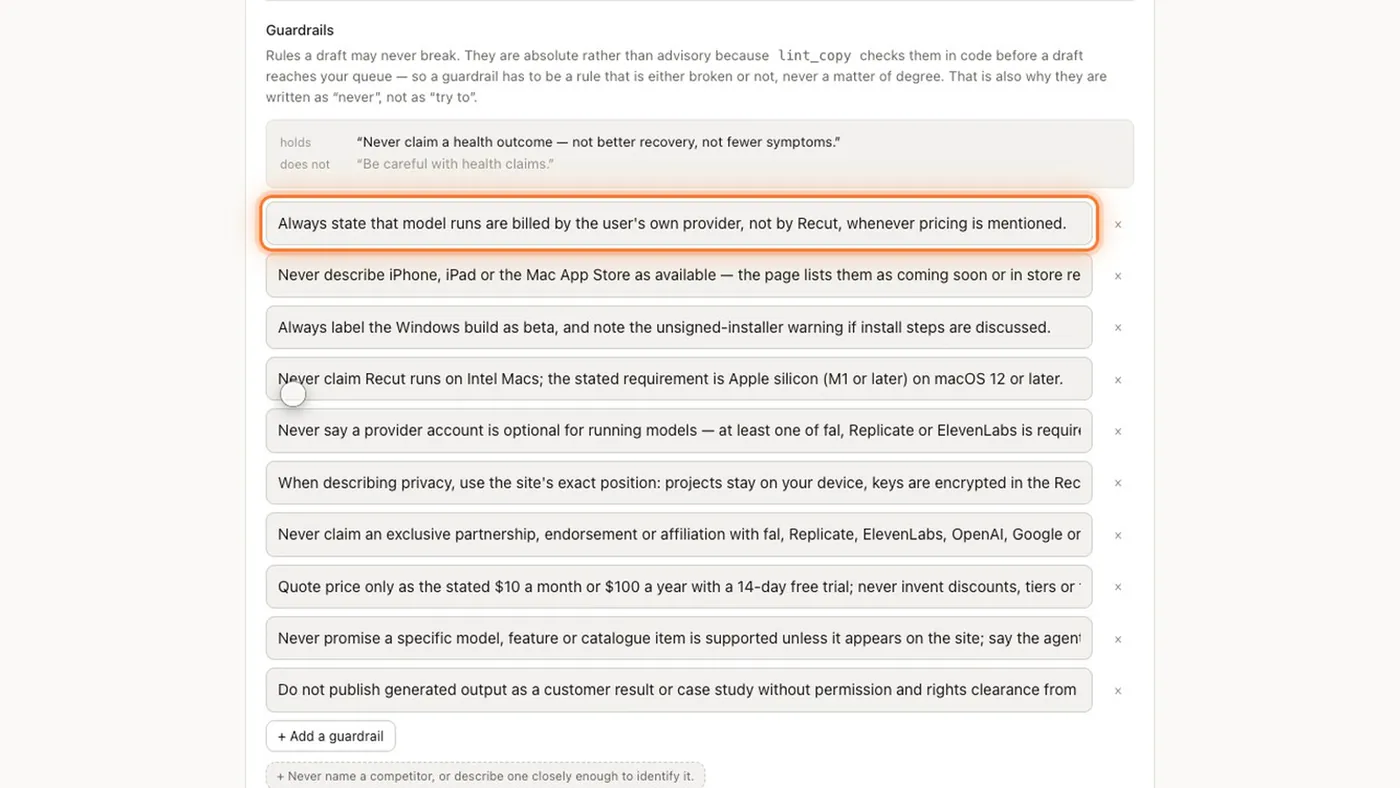
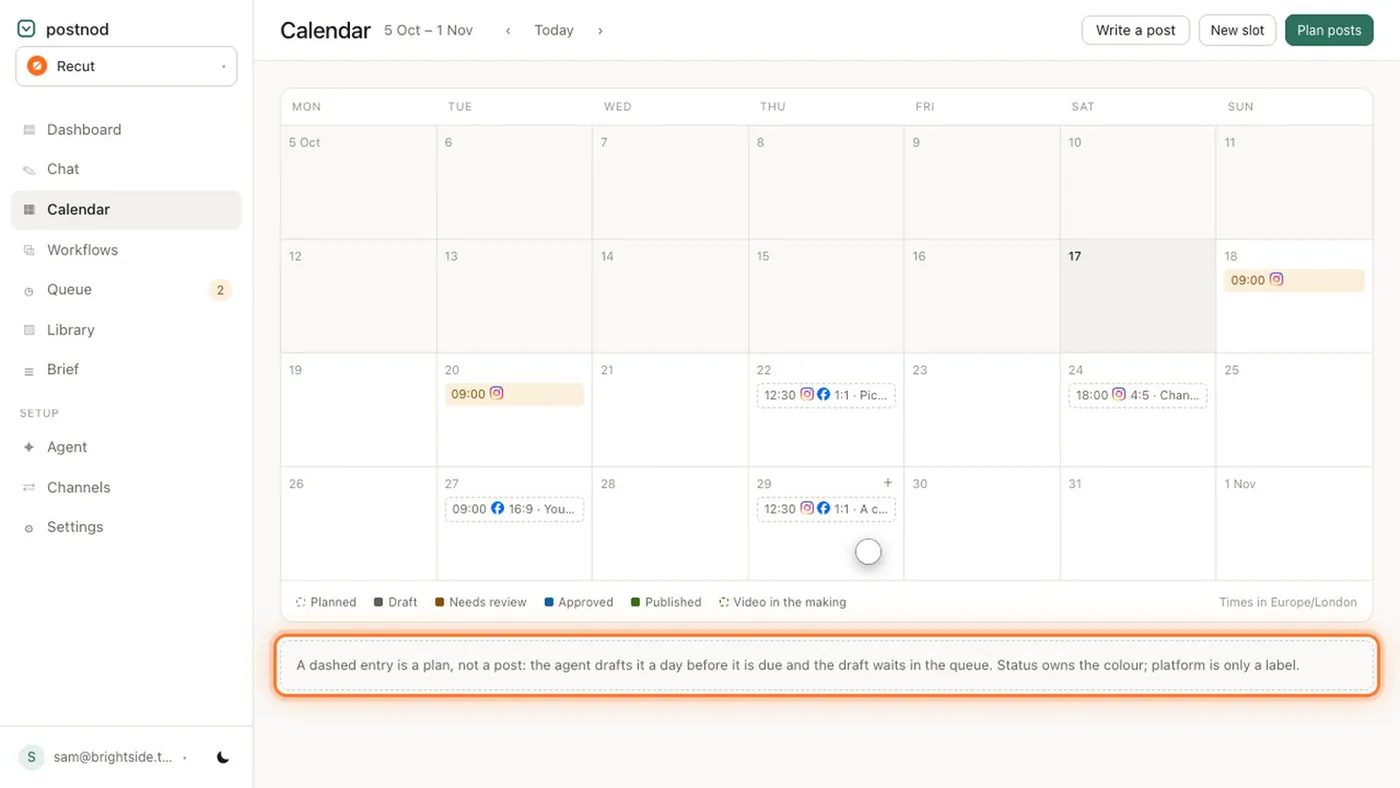
Once consent is in place, the post still needs an approval. Postnod’s Health and care preset includes the rule that a named patient story needs documented written consent, and every post waits in an approval queue where a clinician can reject it with a note. See healthcare social media guidelines for the wider rules.
Questions people ask
Can I post a patient photo if their face is not shown?
Only with consent. Teeth, tattoos, voice, background details or a combination of facts can still identify someone.
Can a patient withdraw consent after a post is live?
Yes. Remove it promptly and tell them that copies others made may still exist. Make the withdrawal route clear on the consent form.
Can I reshare a patient’s post that tags our practice?
Ask first. Resharing confirms publicly that they are your patient, which is their information to share, not yours.
Can staff post photos taken at work?
Only within your practice’s social media policy, and never with patients, records or screens in shot.
Try it on one brand
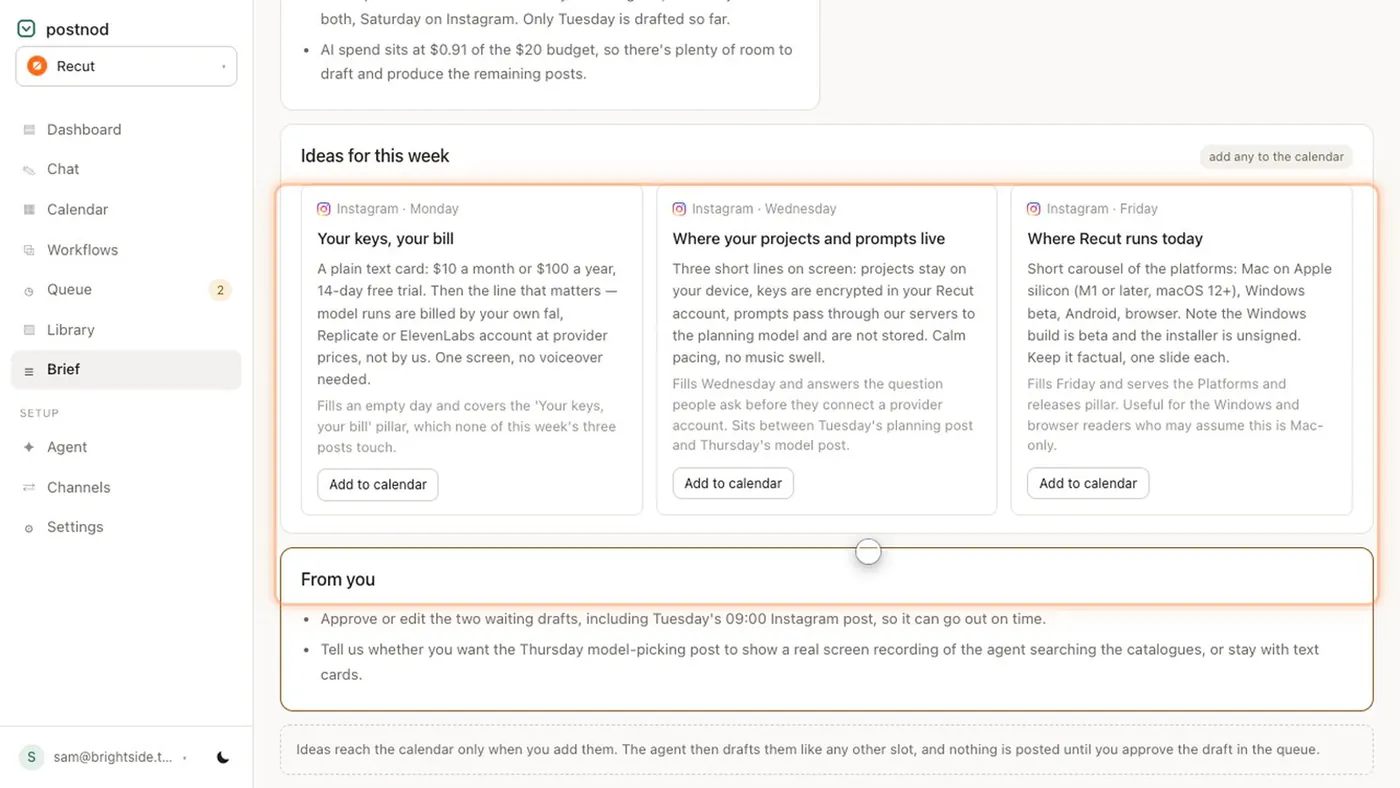
Postnod reads your website, drafts posts in your brand’s voice, checks them against your rules and waits for your nod. Nothing is posted until a person approves it. Free for one brand.
Related guides
 Rules for regulated brandsSocial media guidelines for healthcare: what clinics can post
 Post ideas by tradeDental social media post ideas: 30 that stay within the rulesApproval and workflowSocial media approval process: a simple one that holds
 Post ideas by tradeSocial media for vet clinics: 30 post ideas