Social media guidelines for healthcare: what clinics can post
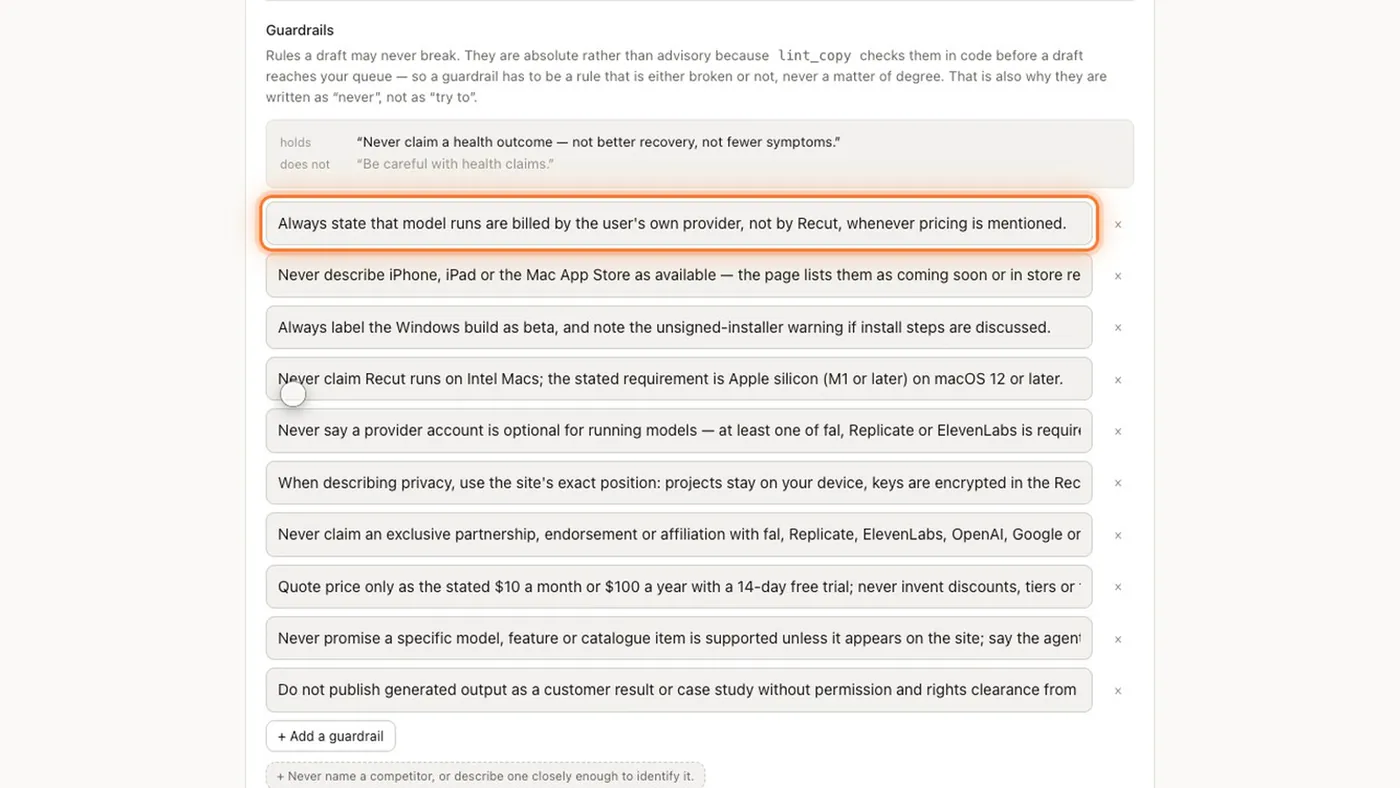
Social media guidelines for healthcare come down to five rules: never share anything that could identify a patient without explicit consent, never make outcome claims you cannot prove, treat testimonials and before and after images as claims, never advertise prescription-only medicines to the public, and have a qualified person approve every post before it goes out.
This page is information, not legal advice. Rules vary by country and by profession, so check your own regulator: in the UK that might be the GMC, GDC, NMC, HCPC or RCVS, with the ASA for advertising; in the US, your state licensing board, with HHS for patient privacy and the FTC for advertising.
The rules that trip clinics up
| Rule | What it means in a post | Read more |
|---|---|---|
| Patient information | No names, photos, stories or details that could identify a patient, alone or combined, without explicit consent. Not even a reply that confirms someone is a patient. | GMC, HHS |
| Outcome claims | No “cure”, “pain-free”, “guaranteed” or “clinically proven” unless you hold evidence that stands up. | CAP Code, FTC |
| Testimonials and reviews | A patient saying they got better is a claim you must be able to back up. Disclose any incentive for a review. | ASA, FTC |
| Before and after images | Written consent, genuine and unedited, never presented as typical or promised. | ASA |
| Prescription-only medicines | In the UK they cannot be advertised to the public, and that includes your social media. | ASA |
| Titles | Use only titles you hold. In UK dentistry, “specialist” is reserved for those on a GDC specialist list. | GDC |
| Fear and distress | No alarming images or guilt used to drive bookings. | Your regulator’s guidance |
Advertising rules cover your own posts
Many clinics assume advertising rules only apply to paid ads. In the UK, the ASA’s remit covers marketing on your own website and social media accounts too, so a post promoting a service is held to the CAP Code. In the US, the FTC expects health claims to be backed by competent and reliable scientific evidence, and its Endorsement Guides apply to reviews and testimonials you share.
Professional rules sit on top of advertising rules. A post can pass the CAP Code and still breach your regulator’s confidentiality guidance, or the other way round.
Replying to comments and reviews
Replies trip clinics up as often as posts do, because they are written fast and nobody approves them.
- Never confirm that someone is a patient, even to thank them.
- Never discuss their care in public, even if they already have.
- Never give individual advice in a comment or message. Invite them to book or contact the clinic.
- Keep a short set of approved replies for praise, complaints and clinical questions.
A pre-post checklist
- Could anyone recognise a patient? Face, voice, tattoo, a screen in the background, or details that combine. If yes, is written consent on file for this exact use?
- Does it promise or imply a result? Take it out.
- Any banned words? Cure, guaranteed, pain-free, clinically proven, best.
- Is there a testimonial or before and after image? Check consent, that it is genuine, and that it is not presented as typical.
- Does it name a prescription-only medicine? Remove it.
- Is it general information with a route to proper advice? “Book in”, “speak to your pharmacist”, or the official urgent line.
- Are prices, hours and titles accurate today?
- Would you be comfortable if your regulator read it? If unsure, do not post.
Who should approve
| Setting | Who signs off |
|---|---|
| Single-handed practice | The clinician, on a different day from writing it |
| Clinic or practice group | The practice manager for accuracy, and a clinician for anything health-related |
| Agency posting for a clinic | The clinic’s named contact, not the account manager; see approval workflows for agencies |
The person who writes a post should not approve it, and the approval should be recorded: who, and when. See the social media approval process. In Postnod, an approver can approve but cannot write, and an editor can write but cannot approve.
Questions people ask
What can clinics post on social media?
Information about your services, team, hours and prices, general health information from reliable sources, and news. Not patient details without consent, and not claims you cannot prove. See medical clinic post ideas.
Is a clinic’s Facebook post an advert?
In the UK, if it promotes your services, yes: the ASA’s remit includes marketing on a business’s own social media. Hold it to the same standard as a paid ad.
Can healthcare workers use personal social media?
Yes. Regulators such as the GMC say the same professional standards apply online, so never share patient information, and say who you are if you comment on health topics.
Can a clinic share patient reviews on social media?
Only with the reviewer’s permission, and be careful with reviews that describe getting better, which count as claims. Never edit a review to make it sound better.
Try it on one brand
Postnod reads your website, drafts posts in your brand’s voice, checks them against your rules and waits for your nod. Nothing is posted until a person approves it. Free for one brand.
Related guides
 Rules for regulated brandsCan dentists and doctors post patient photos on social media?Approval and workflowSocial media approval process: a simple one that holdsRules for regulated brandsSocial media brand guidelines, with a template you can copy
 Post ideas by tradeDental social media post ideas: 30 that stay within the rules